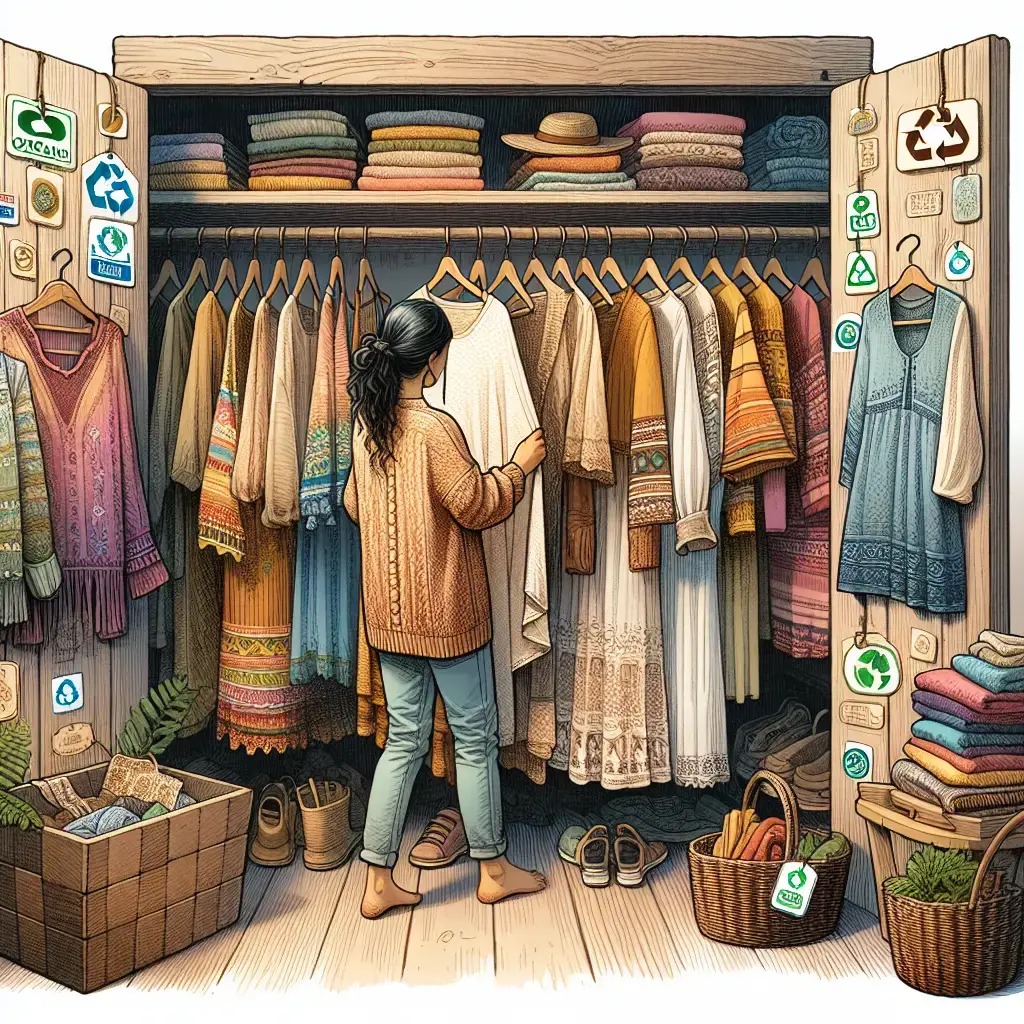
Introduction to Sustainable Fashion
In a world increasingly aware of its environmental impact, sustainable fashion has emerged as a beacon of hope, offering a path to a more eco-conscious lifestyle. As consumers become more mindful of their choices, the demand for ethical fashion brands and eco-friendly clothing has surged, driving a shift towards a sustainable wardrobe. This conscious fashion movement is not just a fleeting trend but a significant transformation in how we approach style and consumption.
In the realm of fashion, where trends often come and go, sustainable fashion has emerged as a long-lasting movement with profound implications for our planet. This shift towards eco-friendly clothing and ethical fashion brands represents a significant transformation in how consumers view their wardrobe choices. As we delve into this topic, we'll explore how building a sustainable wardrobe can align with ethical values and contribute to a greener future.
Understanding Sustainable Fashion
Sustainable fashion encompasses more than just eco-friendly clothing; it embodies a holistic approach to style that considers the environmental, social, and economic impacts of fashion production and consumption. This movement has gained traction, driven by an increasing awareness of climate change and consumer demand for transparency and responsibility from brands.
The Rise of Ethical Fashion Brands
The rise of ethical fashion brands is a testament to the growing consumer desire for authenticity and integrity in fashion. Brands such as Everlane and Patagonia have pioneered this space by prioritizing sustainable practices and ethical labor conditions. Their success stories highlight how brands with strong missions can thrive even amidst cheaper, fast-fashion alternatives. Consumers are often willing to pay more when they resonate with a brand's purpose, as highlighted in an article on compelling brand missions by Forbes.
Sustainable Wardrobe Essentials
Building a sustainable wardrobe involves making mindful choices about the clothes we wear and the brands we support. Key components include:
- Slow Fashion over Fast Fashion: Prioritize quality over quantity. Investing in durable pieces from ethical clothing brands not only reduces waste but also ensures longevity.
- Capsule Wardrobes: Embrace minimalism by curating a collection of timeless, versatile pieces that can be mixed and matched. This approach aligns with the 'underconsumption core' trend, which challenges our spending habits and encourages us to buy less but better, as discussed in The Guardian.
- Second-Hand Shopping: Thrift stores and online platforms like ThredUp offer eco-friendly wardrobe options that reduce demand for new resources.
The Impact of Eco-Conscious Fashion
The sustainable fashion movement is more than just a lifestyle choice; it's an opportunity to enact positive change. By supporting sustainable clothing brands, consumers contribute to a reduction in carbon emissions, water usage, and textile waste. According to a report by the Ellen MacArthur Foundation, transitioning to circular fashion models could unlock significant environmental benefits.
Case Study: The 'Underconsumption Core' Trend
A fascinating development in this landscape is the rise of the 'underconsumption core' trend, which directly challenges our culture of excess and encourages minimalism. As social media platforms like TikTok promote endless unboxing videos, this counter-trend advocates for mindful consumption and has gained surprising traction, as reported by BBC News. This movement aligns with the broader mission of promoting sustainable style and conscious fashion choices.
Empowering Consumers with Ethical Shopping Tools
Technological advancements have empowered consumers with tools like Karma Wallet and DoneGood, which provide insights into companies' social and environmental impacts. These platforms enable consumers to make informed decisions about where to spend their money, fostering a community of ethically minded shoppers as detailed by TechCrunch.
Practical Sustainable Fashion Tips
Transitioning to an eco-friendly wardrobe can be both fulfilling and impactful. Here are some practical tips to guide you:
- Research Brands: Look for transparent supply chains and certifications like Fair Trade or GOTS (Global Organic Textile Standard).
- Quality Over Quantity: Focus on acquiring high-quality garments that offer durability and timeless appeal.
- Support Local Artisans: Purchasing from local designers can reduce carbon footprints associated with shipping while supporting community economies.
- Host Clothing Swaps: Engage with friends or local communities to exchange clothing items, offering a fun way to refresh your wardrobe sustainably.
The Future of Sustainable Fashion
The future of sustainable fashion looks promising as more consumers embrace eco-conscious fashion choices. As highlighted by the Fashion Revolution, transparency and accountability will continue to be pivotal in driving this movement forward.
Educational Initiatives
Educational initiatives play a critical role in spreading awareness about sustainable fashion. Organizations like Remake offer resources and advocacy programs to educate consumers about the importance of supporting ethical fashion brands.
Corporate Responsibility
Major corporations are also stepping up their sustainability efforts. For instance, H&M's Conscious Collection demonstrates how mainstream brands are integrating sustainable practices into their product lines, though they must continue evolving to meet genuine eco-friendly standards.
Conclusion: Embracing the Path to Sustainable Fashion
As we conclude our exploration of sustainable fashion, it’s vital to highlight the essential steps towards cultivating a wardrobe that aligns with ethical values and eco-consciousness:
- Choose Ethical Brands: Support brands like Everlane and Patagonia that prioritize sustainability and ethical labor practices.
- Adopt Slow Fashion: Opt for quality over quantity by investing in durable, timeless pieces that reduce waste.
- Explore Second-Hand Options: Utilize platforms like ThredUp to find eco-friendly alternatives and lessen the demand for new resources.
- Embrace Minimalism: Build a capsule wardrobe to simplify choices and encourage thoughtful consumption.
- Leverage Technology: Use tools like Karma Wallet and DoneGood to guide informed, ethical shopping decisions.
These actions not only reduce environmental impact but also foster a culture of responsibility and mindfulness in fashion. Each choice contributes to decreasing carbon emissions, water usage, and textile waste, aligning with the broader mission of sustainable style.
Now more than ever, the fashion industry is at a turning point, with transparency and accountability driving its evolution. As consumers, our role is pivotal. By making conscious decisions, we can collectively shape a greener future.
I encourage you to reflect on your fashion choices and consider how they align with sustainable practices. Share your journey or insights in the comments below—your voice is essential in this conversation.
Together, let’s champion a future where fashion harmonizes with nature, fostering creativity and respect for our planet. Every decision you make is a step toward a more sustainable world.
Thank you for joining me on this journey towards ethical fashion. Let's continue to inspire change and celebrate the beauty of conscious living.
Warm regards,
Scarlett Bennett